
Living Lakes - Strategies to Protect the Biodiversity of Aquatic Ecosystems
January-March | 2026Global
Protection of Biodiversity
Link To Project: Click Here
Empowering communities around Deepor Beel through participatory monitoring, sustainable livelihoods, and youth engagement, the IKI–LLBCP project is driving inclusive, community-led wetland conservation in Assam.
Project Updates
Training on Participatory Monitoring System for Beel Watch Report Card, Assam
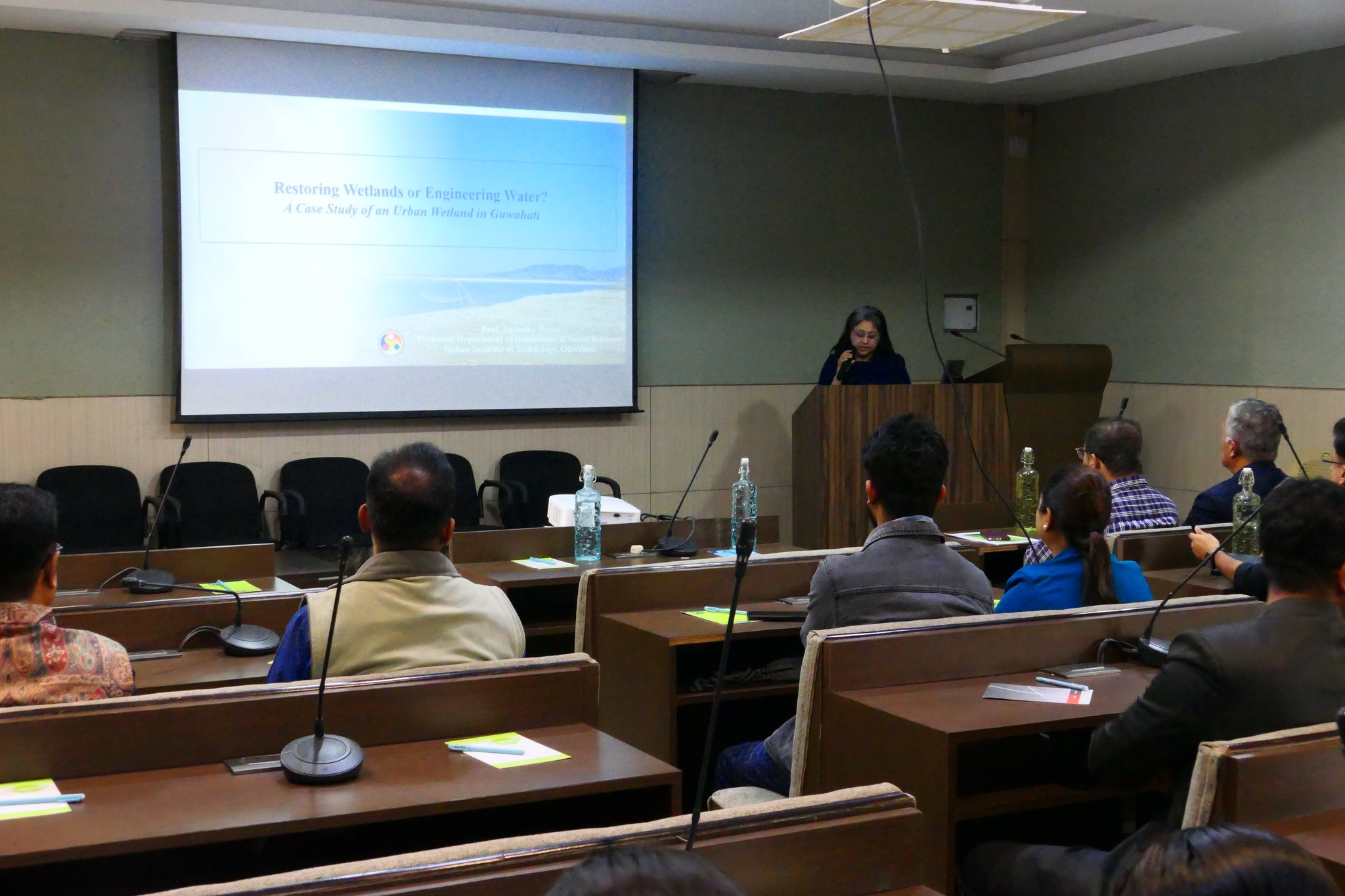
The Nature Environment & Wildlife Society (NEWS), under the International Climate Initiative (IKI) Living Lakes Biodiversity and Climate Project (LLBCP), successfully conducted a one-day training on “Participatory Monitoring System for Beel Watch Report Card” on 9 January 2026 at A.C. Dutta Bhawan, Cotton University, Guwahati. The programme was organized in collaboration with the Department of Environmental Biology and Wildlife Sciences (EBWS). The training focused on strengthening participatory approaches for the conservation of Deepor Beel—Assam’s only Ramsar site—by building capacities in community-based and institutional wetland monitoring. The session opened with an introduction to LLBCP, highlighting its vision to empower communities, academic institutions, and civil society in long-term wetland conservation. Technical sessions covered the ecological significance of wetlands and the importance of systematic monitoring, along with demonstrations of the Wetland Health Card—a participatory digital tool for wetland assessment and citizen science engagement. The workshop brought together over 125 participants, including students, researchers, faculty members, NGOs, and community representatives from leading institutions and conservation organizations across Assam.
Wetland Warriors in Action at Deepor Beel!
The Nature Environment & Wildlife Society (NEWS) conducted a three-day Citizen Science Initiative under the IKI-LLBCP Project in collaboration with Hari Gayatri Das College, Guwahati (28–31 January 2026), engaging 35 participants. Interactive Assamese sessions on wetlands and biodiversity, set the foundation. The highlight was a field visit to Deepor Beel, where participants used tools like eBird to document species, fostering hands-on learning and conservation awareness.
Wetlands Day Celebration:
Nature Environment & Wildlife Society (NEWS), under the International Climate Initiative – Living Lakes Biodiversity and Climate Project (IKI-LLBCP), celebrated World Wetlands Day on 2 February 2026 at St. Xavier’s School, Pamohi. Conducted by Young Lake Manager Trainees, the programme aimed to raise awareness among students about the importance of wetlands and their conservation. Activities included a documentary screening on wetlands with a focus on Deepor Beel, followed by a presentation on their ecological functions such as water filtration, flood regulation, and biodiversity support. An interactive quiz encouraged active participation. The enthusiastic response from students highlighted growing environmental awareness and the importance of engaging youth in wetland conservation efforts.
Field Programme Successfully Completed | Learning from the Ground
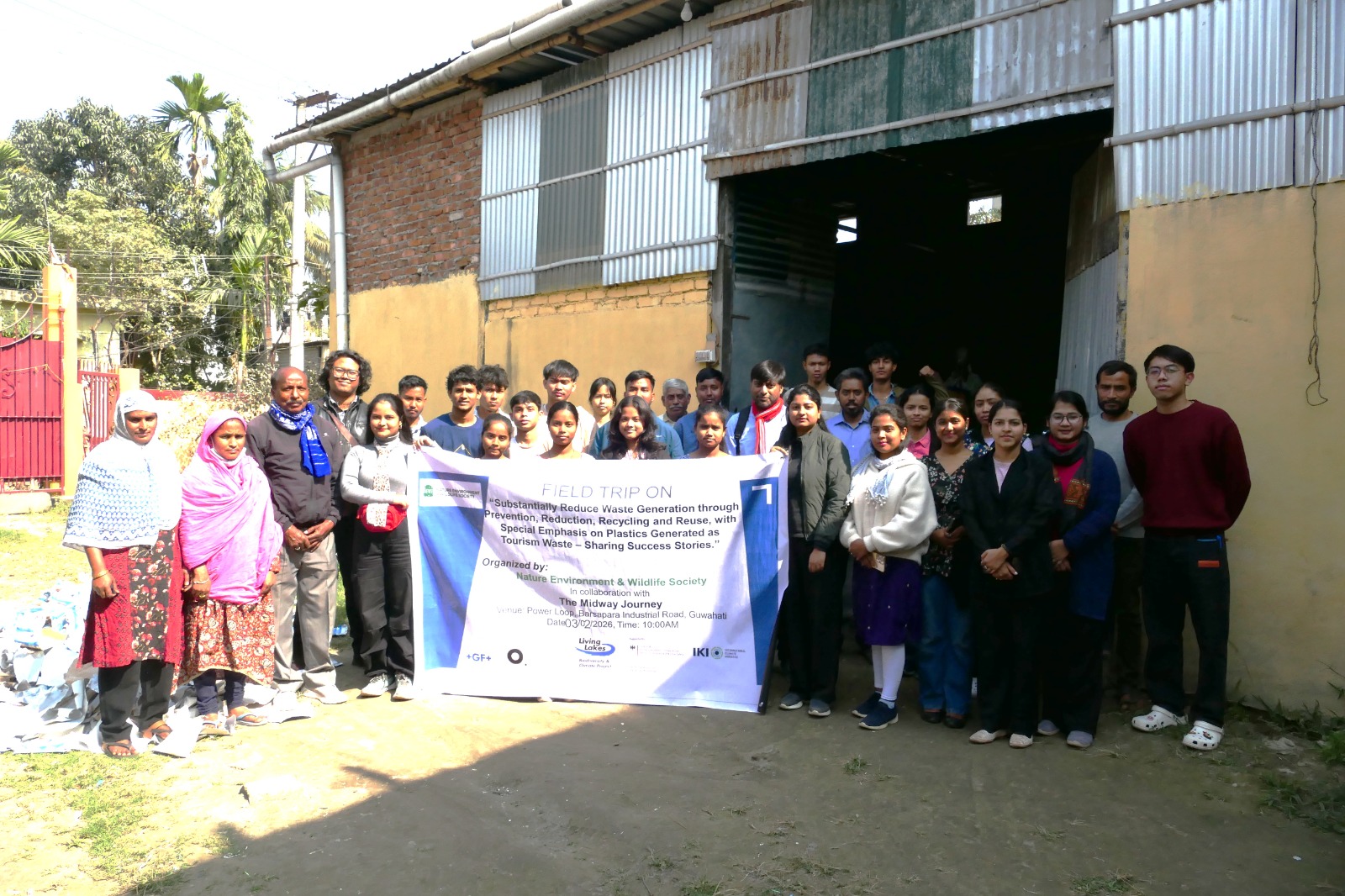
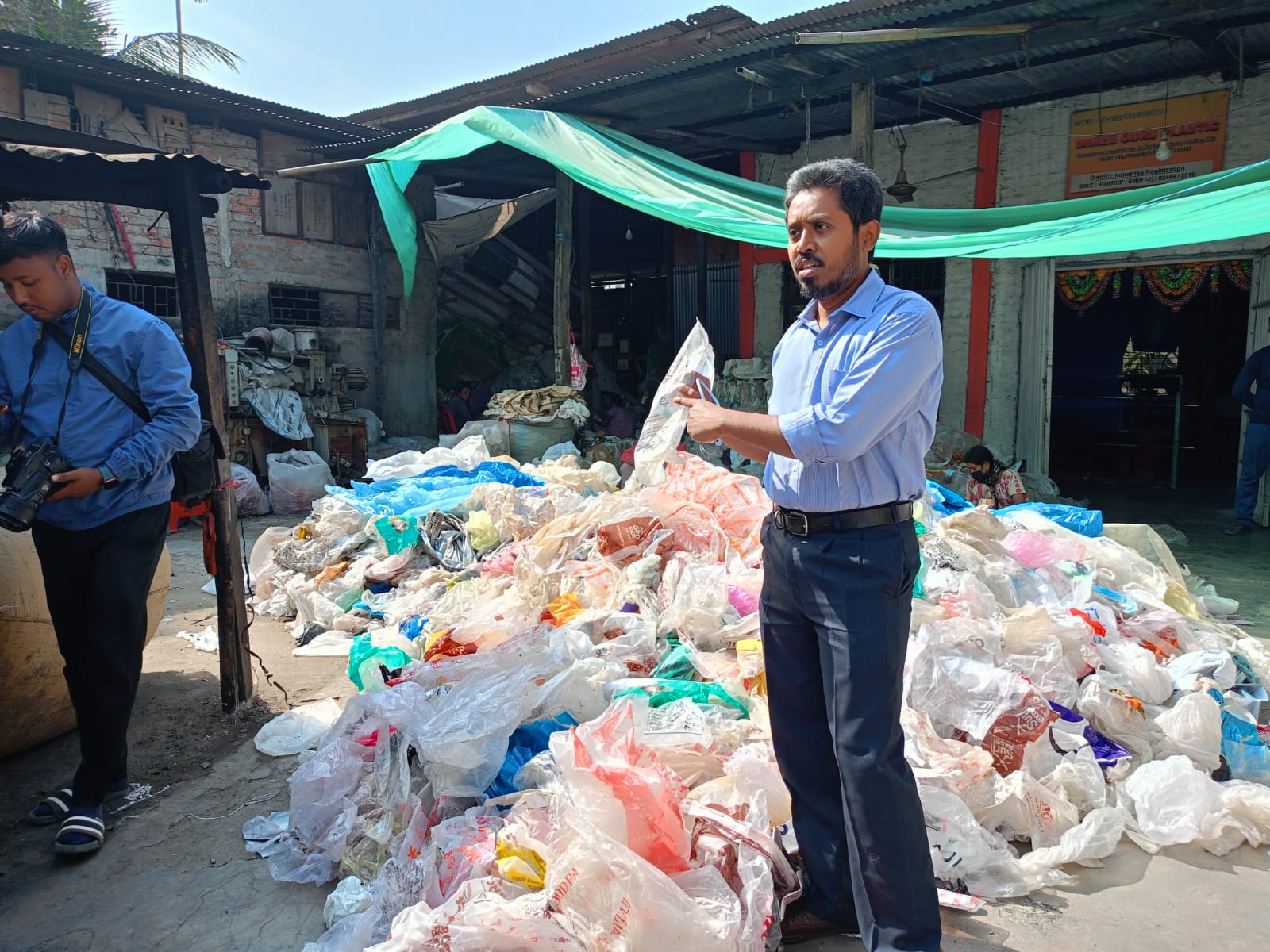
Under the Living Lakes Biodiversity & Climate Project (LLBCP) supported by IKI, Nature Environment & Wildlife Society (NEWS), in collaboration with The Midway Journey, conducted a one-day field programme on 3rd February 2026 at the Power Loop Facility, Guwahati. The programme focused on reducing tourism-generated plastic waste through prevention, recycling, and reuse. Participants – including local bodies, community members, youth, and informal waste workers – gained hands-on exposure to waste segregation and recycling processes using machinery such as agglomerators and extruders.
Key Outcomes:
- Practical insights into plastic waste management
- Exposure to scalable, community-level solutions
- Recognition of informal waste workers’ vital role
- Strengthened collaboration among stakeholders
The programme underscored the importance of collective action for sustainable and inclusive waste management.
Stakeholder’s Consultation Workshop Conducted
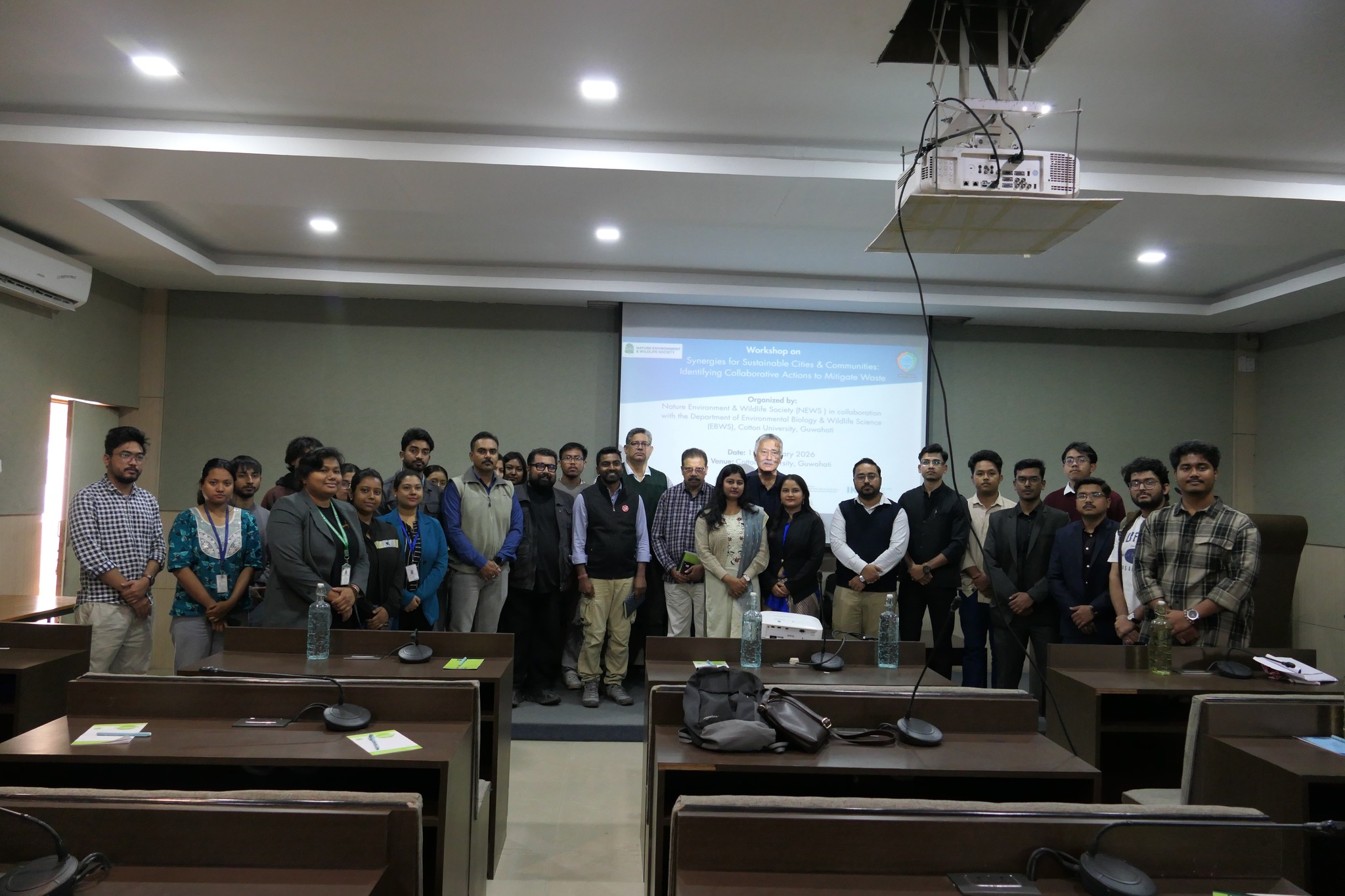
Nature Environment and Wildlife Society (NEWS) in Collaboration with Cotton University hosted a successful workshop on "Synergies for Sustainable Cities and Communities: Identifying Collaborative Actions to Mitigate Waste" at the MCB Hall, Cotton University on 12 Feb 2026. A total of 35 participants from diverse stakeholders joined us, including representatives from the Assam Pollution Control Board, Assam Forest officials, retired government officials from the Guwahati Municipal Corporation, the Directorate of Town and Country Planning, the Assam Urban Knowledge Hub (Town and Country Planning), NGOs such as Earthful Foundation and Midway Journey, as well as faculty members and students from several colleges and universities. Expert speakers led discussions on a wide range of topics, focusing on waste mitigation strategies with real-world examples from fieldwork. The workshop concluded with a shared commitment to strengthen cross-sector collaboration and translate these discussions into actionable solutions for building cleaner, more sustainable cities and communities in Assam.
Biodiversity friendly Agriculture Practice near Deepor Beel, Guwahati,
On 27 February 2026, the Nature Environment & Wildlife Society (NEWS), under the Living Lakes Biodiversity and Climate Project, conducted a hands-on training on biodiversity-friendly mushroom cultivation at Chakardo near Deepor Beel. The programme introduced small and marginal farmers to an eco-friendly, low-input livelihood using local agro-waste like paddy straw, promoting sustainable income, nutritional security, and biodiversity conservation around the Ramsar site. Through practical demonstrations and participatory learning, the initiative aimed to build community capacity for climate-resilient, nature-based livelihoods linked to wetland conservation.
World Wildlife Day: The Nature Environment & Wildlife Society (NEWS), under IKI–LLBCP, marked World Wildlife Day 2026 at Chakardo, Guwahati, on 2nd March with the Deepor Beel community and Youth Environment Society. Centred on “Medicinal and Aromatic Plants,” the event featured expert talks by Dr. Swapna Devi Ray and Ms. Jyoti Gupta, a documentary screening, and a field visit to the MAP garden—promoting awareness, traditional knowledge, and community-led conservation action.
Can the aroma of freshly baked bread help save a Ramsar site?
At Deepor Beel, the answer is yes.
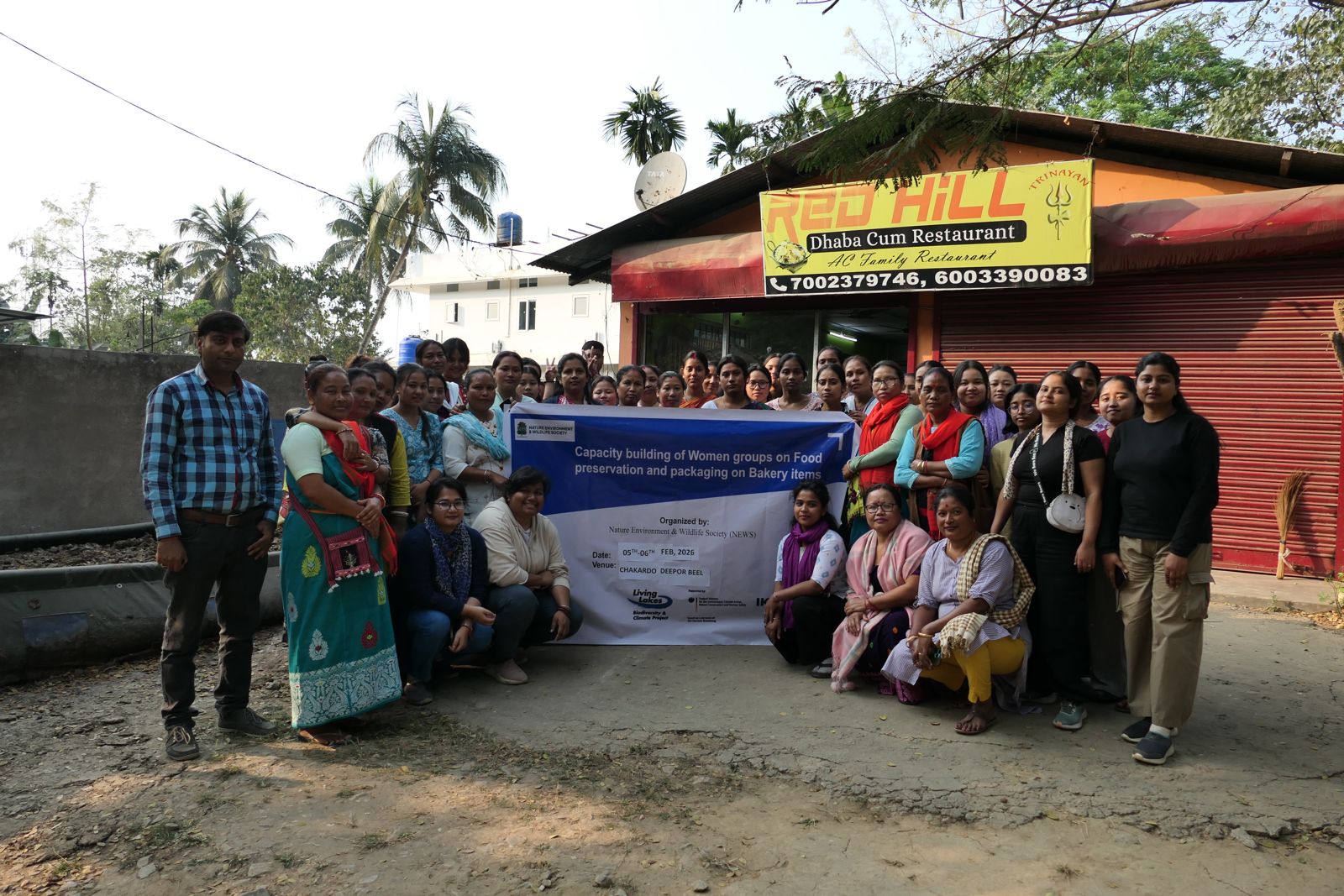
During 5–6 February and 19 -20 March, 2026, Nature Environment & Wildlife Society (NEWS) trained 98 women from Paschim Chakardo, Keotpara, Azara village in low-cost bakery production and packaging. Using simple household utensils, participants learned to prepare cakes, cookies, pizzas and buns—proving that innovation doesn’t require expensive technology.Conducted under the Living Lakes Biodiversity & Climate Project (LLBCP), the initiative links livelihood generation with conservation. By creating alternative income opportunities, it reduces dependence on wetland resources while strengthening local resilience. Today, these women are equipped to start small enterprises—turning baking into a sustainable “green livelihood.” In doing so, they are not just earning incomes, but actively contributing to the protection of Deepor Beel’s fragile ecosystem.


Copyright © 2026 All rights reserved